

Chelsea & David
Chelsea & David
Cultural Traditions Explanation | 傳統說明

Door Games
Door games are a cultural tradition where the groom and his groomsmen arrive at the house of the bride the morning of the wedding and must first pass certain physical and mental tests in order to earn the right to collect the bride.
The fun-filled challenges may come across as light-hearted, but they carry a deeper significance. They symbolize the playful resistance of the bride’s family in giving her away and test the groom’s commitment to overcome any hurdles in his path to marry his bride. You can see some of the common games to play today at this website.
The morning of our wedding DaiYing and his best man LaoYu will come to Chelsea's house to face the challenges that Chelsea's brother Cameron has prepared for them.
台灣的婚禮中,有一個迎娶的習俗叫做闖關,當新郎與他的伴郎在結婚當天早晨抵達新娘的家時,必須先通過一連串身體與益智的挑戰,來證明自己配得上迎娶新娘子。這個習俗象徵新郎必須展現出他對於娶妻的承諾,以及願意付上各種代價,只為了娶到新娘。
這個早晨會由岱穎和他的伴郎負責完成挑戰,挑戰的內容則由珂蕊的哥哥Cameron來負責設計。
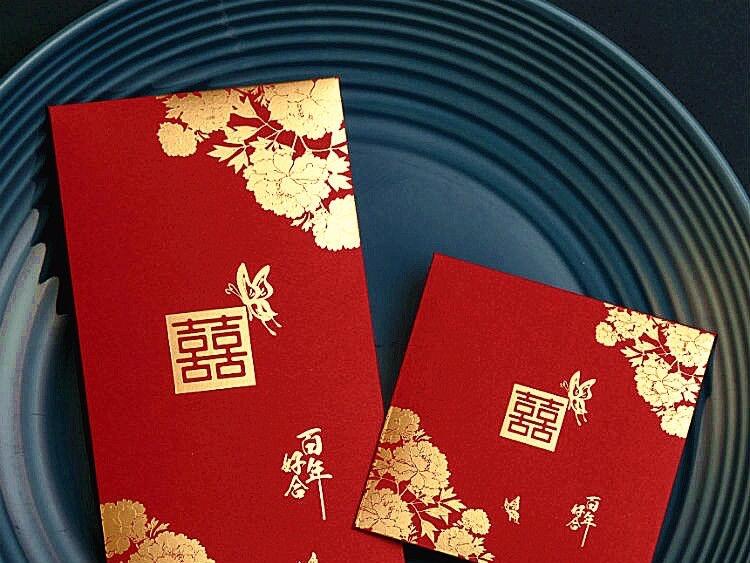
Red Envelopes
Instead of gifts, normally friends and relatives bring money in a red envelope called 紅包 “hongbao” to the wedding. These are collected by a friend or family member at the entrance to the wedding. Red is a color of goodness/fortune.
在西方的習俗是會給禮物,不過在東方會直接給紅包,紅包會由親友團來負責收取,紅色在東方象徵吉祥及好運。
What should I put in my red envelope?
Numbers that start with 1, 2, 3, and 6 are okay. For instance, 200, 600, 1200, 1600, 2000, 2200, 3200, 3600, 6000, 6600, 8800, 10000, and 12000 are okay.
Avoid the number 4 at all costs, because the sound is similar to death "si 死."
放在紅包裡的金額不能放四,四的中文發音剛好跟死很接近,代表不吉利。
Your name should be written on the envelope because the family will record this and be sure to give you/your children the same or more when they attend your wedding in the future. What goes around comes around in the best way possible.
Red envelopes are also given at Chinese new year and as a gesture of gratitude as well. So having a pack on hand in your house is always helpful.
你的紅包在婚禮當天會寫下你的名字並登記你包了多少金額,未來當你的孩子結婚,換我們參加婚禮,我們也會同樣回禮。
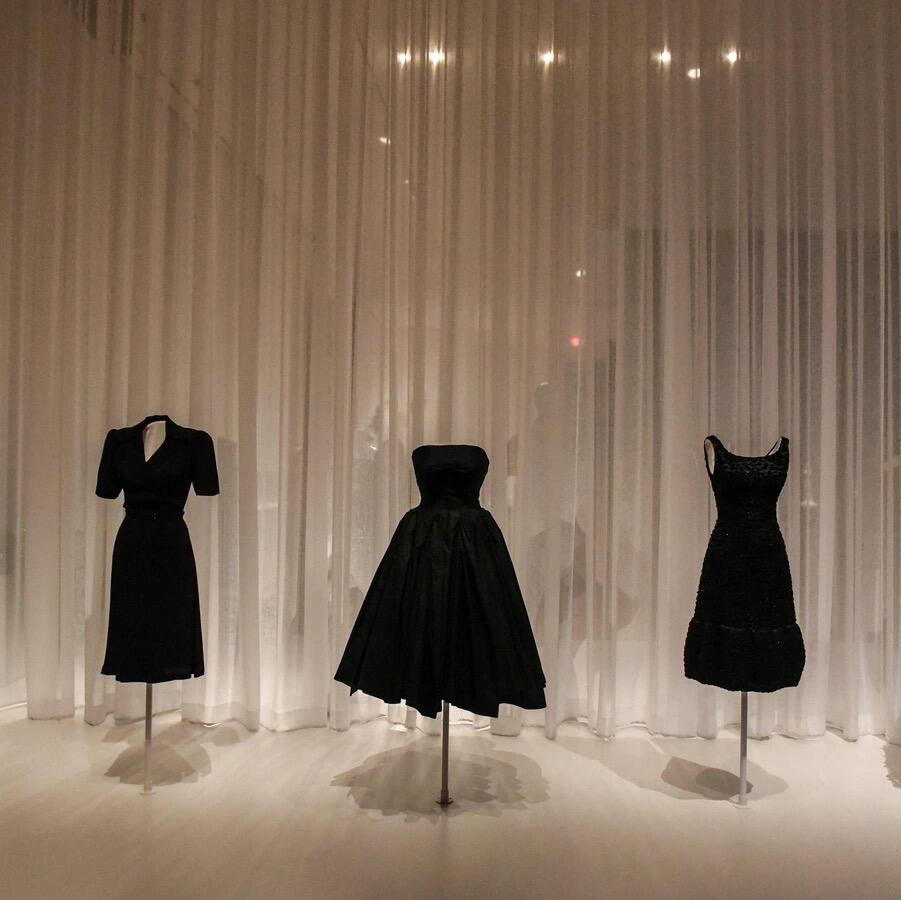
The Little Black Dress
This is an item that is considered essential in a woman's wardrobe. Western women all know what a "little black dress" is and have at least one on hand as they can be used for ANY formal occasion. The little black dress is seen as diverse, classy, and always appropriate. Chelsea's bridesmaids will be wearing a "little black dress" of their own, showcasing a classic style that countless generations deemed to be essential for a woman to have in her wardrobe.
小黑裙 The Little Black Dress
這是一件被視為女性衣櫥必備的單品。西方女性都知道什麼是「小黑裙」,並且手邊至少會有一件,因為它們能應付任何正式場合。小黑裙被認為既百搭又高雅,且永遠得體。珂蕊的伴娘們將穿上各自的小黑裙,展現出世世代代女性公認的衣櫥經典風格。
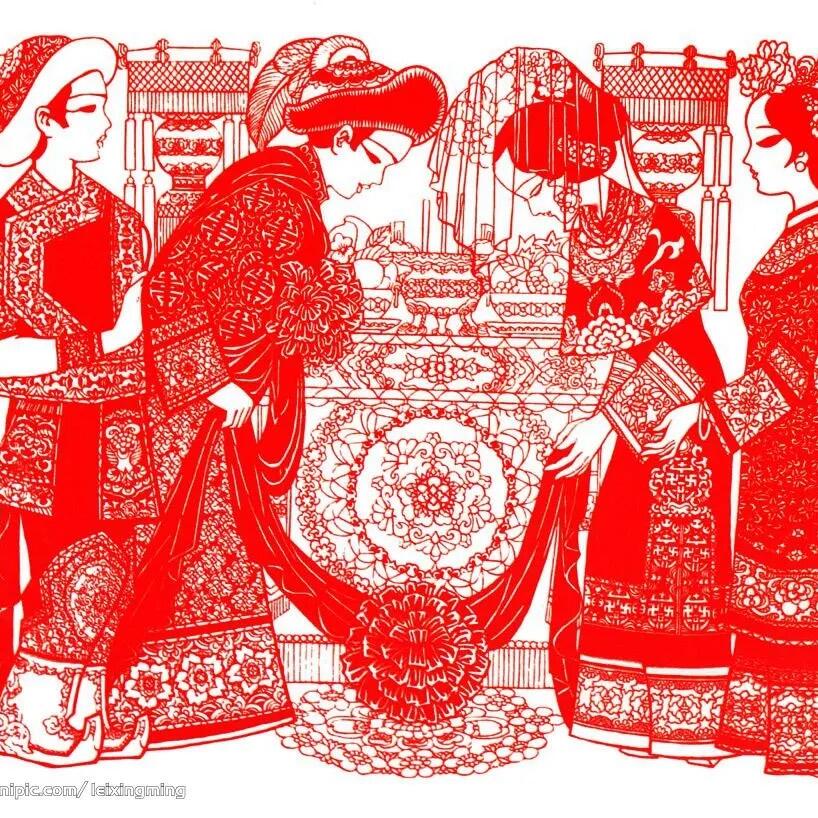
Ceremonial Gratitude to Parents
Traditionally this was done after the groom has won his bride as well as at a tea ceremony with all the elders in both families. It is common for both the bride and the groom to kneel before each set of parents and make speeches of gratitude for their upbringing and education. We think this is a beautiful tradition and will honor the bride's family after the door games and the groom's during our wedding ceremony.
謝親恩是台灣婚禮中的一個重要習俗,通常新郎新娘都會跪在雙方的父母前,對彼此的父母發表感言,我們認為在闖關活動後,尊榮彼此的父母是一個很重要的傳統。

First Dances
Dancing is essential to life and a happy marriage. In western weddings, dancing takes place towards the end of the meal.
The first dance is the bride and the groom's to enjoy their new romance. This tradition is taken from Europe. During the 1700s, noblemen would throw a lavish ball, and the guest of honor—the person with the highest rank or social standing—would kick off the party with the first dance. Now it's the newlyweds that get that honor.
This 'first dance' is proceeded by the 'father-daughter dance'. Towards the end of the second dance, the groom cuts into the dance taking his place as the single most important man in the woman's life from now on. After a moment of enjoying watching the bride and groom, all of the guests will grab a friend and come to the dance floor to join in the dancing. It is normal for dancing to continue throughout the evening.
第一支舞
跳舞在一個美滿的婚姻生活中扮演了非常重要的角色,在西方的婚禮中,跳舞會在用完餐後開始。
第一支舞會由新郎新娘先開始慶祝,他們的新婚。這個傳統最早可以追溯到18世紀,當時的貴族們會舉辦各種豪華的晚會,並由當時場上最尊貴的嘉賓負責開場跳第一支舞,來開始今晚的派對,現在則是演變成由新人們擁有這個尊貴的特權來負責開場。
第一支舞跳完後,會由新娘的爸爸進來跟新娘跳一支「父女之舞」,之後新郎會再次進來接手新娘,象徵從此以後成為新娘生命中最重要的男人。當新人們跳舞告一個段落後,所有的賓客們可以帶著踏們的朋友,一起加進舞池並參與舞會,通常這個舞會會一直持續直到婚禮結束。

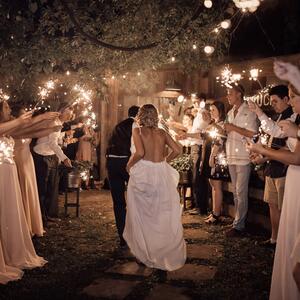
Leaving the Wedding
When it comes to the end of the wedding, traditions for how the newlyweds and the guests leave are completely opposite. In a Chinese wedding the couple holds baskets of candies or small gifts that the guests take as they leave. These represent the sweetness of marriage and it is a time for the bride and groom to see off all the guests. Conversely, western weddings have the guests seeing off the bride and groom. Traditionally in western weddings the bride and groom are the first to leave. This often includes gathering people outside, forming a hallway for the bride and groom to walk through, and cheering as they go to the car that will whisk them away. In generations past, rice was thrown in the air and rained down on the couple, but in recent times sparklers are more commonly used.
We will be using both traditions. First we will see the guests off as they get candies from us and then the guests will be given sparklers at the exit gate. Guests will form two lines on either side of the street outside, sparklers will be lit, and the couple will come through. Afterwards all guests can head to their car and leave the venue. (please note all guests need to be out of the venue by 9:00 at the latest)
婚禮離場
關於婚禮結束時,新人與賓客離場的傳統完全相反。在中國婚禮中,新人會手捧糖果籃或小禮物,讓賓客在離開時取用。這象徵著婚姻的甜蜜,也是新人送別所有賓客的時刻。相反地,西方婚禮是由賓客送別新人。傳統上,西方婚禮的新人會率先離開,這通常包括將眾人聚集在室外,為新人留出一條通道,並在他們走向禮車時歡呼慶祝。在過去的傳統中,人們會向新人灑米,而近年來則更常使用仙女棒。
我們將同時採用這兩種傳統。首先,我們會親自送別賓客並發放糖果;接著,賓客將在出口處領取仙女棒,並在街道兩旁排成兩列。待仙女棒點燃後,新人將從中通過。之後,所有賓客即可前往取車並離開會場(請注意,所有賓客最遲須於 9:00 前 撤離會場)。